How to Write a SaaS Explainer for a Specific Business Buyer
Updated 2026-10-22

How to Write a SaaS Explainer for a Specific Business Buyer
The approval handoff stays; the dashboard tour comes out. That choice puts the workflow ahead of the feature list. For a team deciding how to write a saas explainer, the practical sequence is to define the buyer and problem, select a workflow, explain its outcome, and write a relevant next step. Each sentence should help that buyer understand a business task.
Throughout this example, RelayDesk is a hypothetical project-management product for an operations manager coordinating launch approvals. Its capabilities and scenarios are invented for illustration, not claims about an existing product. Once the narrative is settled, a SaaS explainer budgeting guide can help separate production spending from revision allowances and internal labor.
Define the buyer before deciding how to write a saas explainer
“Business teams” is too broad to guide a script.
RelayDesk's target buyer is an operations manager responsible for coordinating launch readiness across departments. The immediate problem isn't a lack of project-management software. It's uncertainty about who owns an approval, what remains unresolved, and whether the next team can proceed. That distinction changes the opening from a product introduction to a familiar work situation.
A useful buyer statement combines the role, responsibility, friction, and decision. For this example: “An operations manager coordinating a launch needs to identify pending approvals before deciding whether work can move forward.”
That statement also sets boundaries. Executive portfolio reporting and individual productivity may matter elsewhere, but they don't belong in this explanation unless they help resolve the approval problem.
A mini-glossary for the writing team
Workflow: The connected actions that move a business task from its starting condition to its completion.
Proof point: Evidence supporting a product claim, such as a verified capability demonstration or an approved customer result.
Turn scattered feature notes into a buyer's workflow
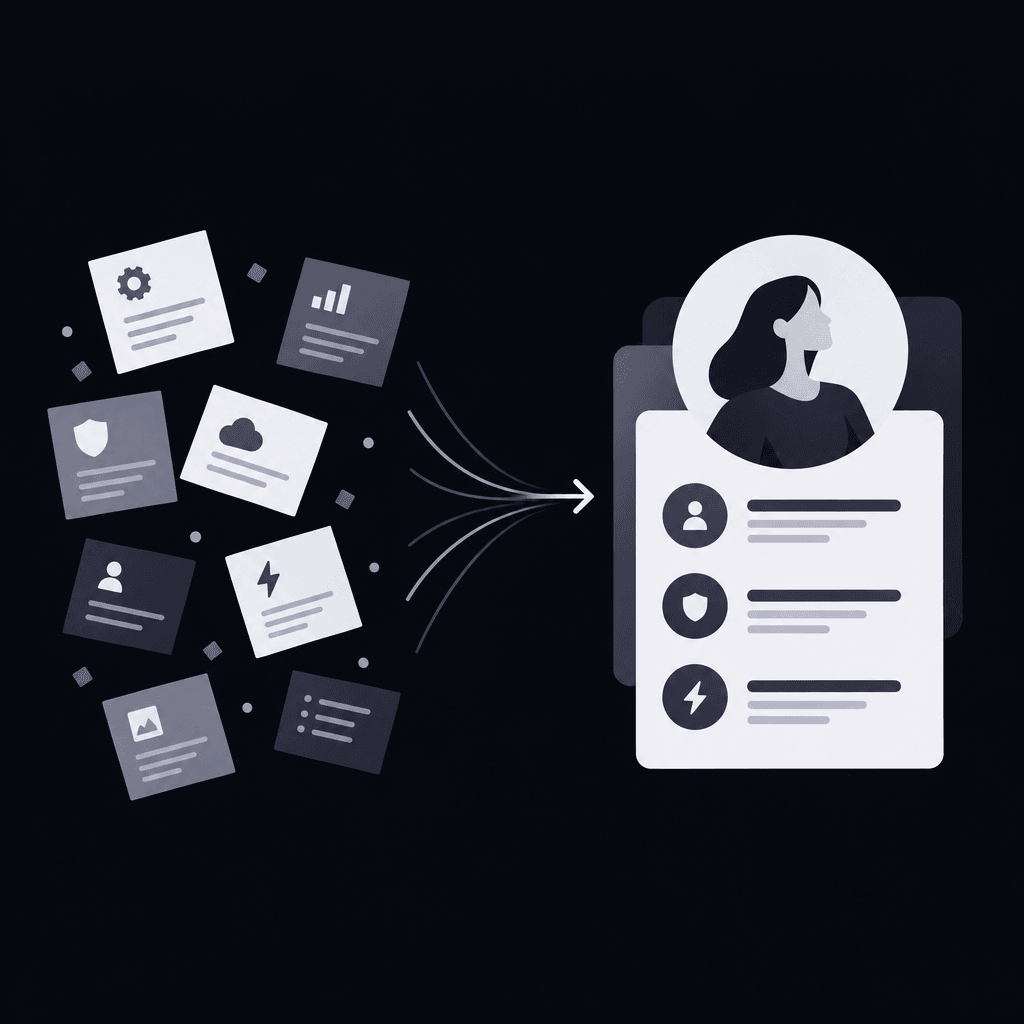
A feature inventory doesn't establish a narrative. Learning how to write a saas explainer means choosing which capabilities explain the buyer's task and which merely expand the product tour.
Suppose RelayDesk's hypothetical notes include assignment fields, approval statuses, comments, dashboards, calendar views, and interface themes. The following editing pass turns that inventory into a software workflow explanation.
| Hypothetical feature note | Script decision | Reason |
|---|---|---|
| Assignment fields | Show a named approval owner. | Explains responsibility at the handoff. |
| Approval statuses | Show whether approval is pending or complete. | Addresses the manager's uncertainty. |
| Comments | Show the unresolved question beside the task. | Connects context to the approval. |
| Dashboard and calendar | Leave out of this version. | Adds views without advancing the chosen task. |
| Interface themes | Remove. | Doesn't explain launch readiness. |
The retained sequence is concrete: identify the pending approval, inspect the owner's note, then confirm the updated status. Anything that requires a separate explanation competes with that sequence.
Before production, the team should confirm that its chosen tools can represent the necessary product details accurately. These product video tool selection criteria help keep that evaluation focused on workflow fit rather than visual novelty.
A framework for how to write a saas explainer
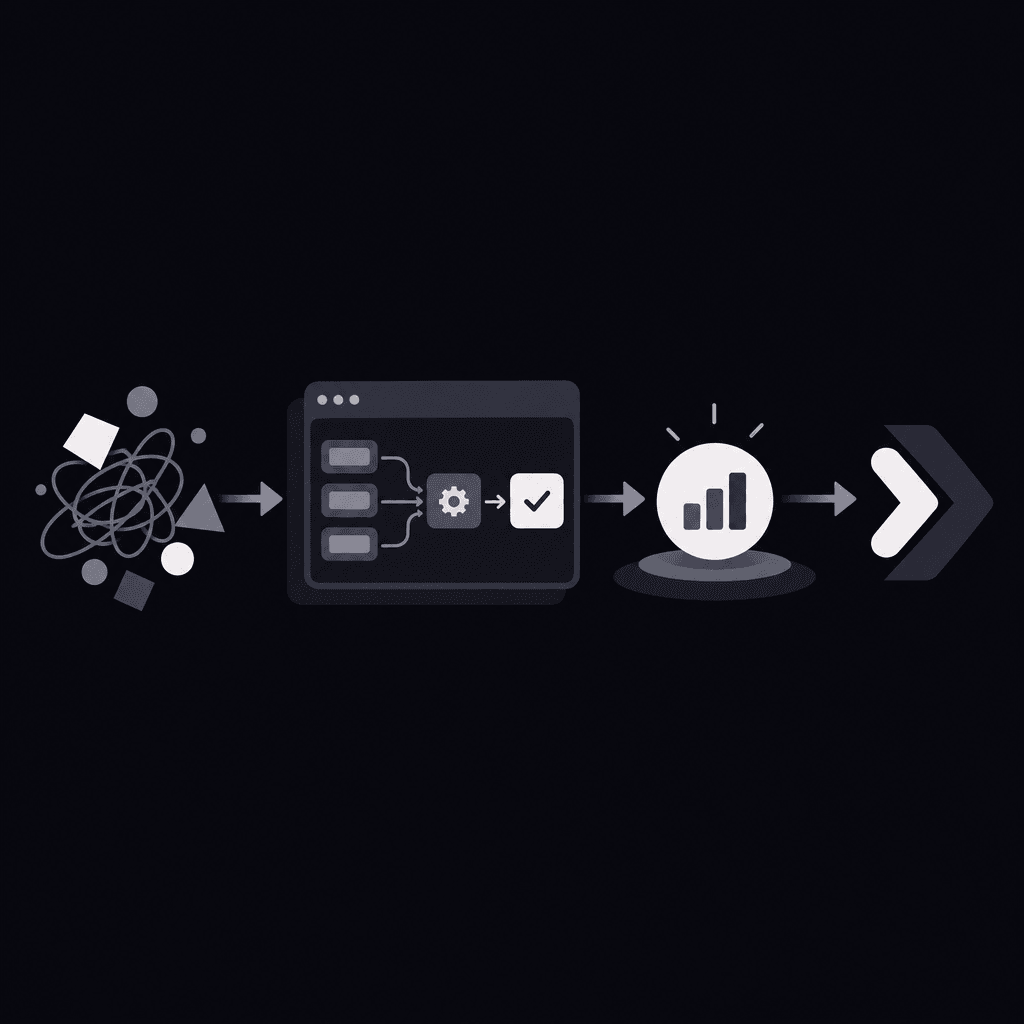
The drafting framework should force decisions without making every script sound alike. A writer can fill these fields in a shared document, using complete sentences rather than slogans.
- Buyer and responsibility: The role watching the video and the task that role owns.
- Trigger and friction: The event that makes the problem urgent and the uncertainty blocking progress.
- Workflow: The product actions that address that uncertainty, in their actual order.
- Outcome and evidence: What becomes visible or possible, followed by the evidence supporting any broader claim.
- Next step: The action that helps the buyer evaluate this same workflow.
For RelayDesk, the completed framework reads: operations manager; launch readiness review; unclear approval ownership; inspect owner, note, and status; understand whether the handoff can proceed; view an approval-workflow demo.
A planning reference can help organize that material. Vidrava AI's video generation centers on “one idea, one finished video.” Its SaaS explainer (sixty seconds) template offers a duration reference, not a mandatory runtime or a promise about generation speed.
Write the complete script, then annotate its claims
A practical test of how to write a saas explainer is whether the draft makes sense without a narrator explaining the missing connections. Here is a complete hypothetical SaaS explainer script for RelayDesk:
A launch is approaching, but the operations manager is still piecing together approval updates from separate conversations. The next handoff depends on knowing what's ready and what still needs attention.
In RelayDesk, the manager opens the launch project and finds the pending approval. The task shows its owner, current status, and the question holding up the decision. The owner adds the missing context and updates the approval status. The manager returns to the task to check whether the handoff can proceed.
Now the approval record shows who's responsible, what changed, and where the work stands.
Explore the launch-approval demo to see how RelayDesk handles the handoff.
Why these lines earn their place
The opening names a situation rather than declaring that work is complicated. The middle follows a connected set of actions, with the owner and manager playing distinct roles. The outcome describes information available in the illustrated task. And the SaaS explainer call to action offers a closer look at the workflow just introduced.
For a real product, each depicted action needs verification. The draft doesn't claim faster launches, fewer errors, or guaranteed savings. Those outcomes would require appropriate evidence before publication; an attractive demonstration wouldn't establish them.
The demo destination must also exist and match the promise. If the available destination is a sales conversation, the ending should describe that conversation accurately instead.
Keep the storyboard subordinate to the explanation
Each narrative beat needs a visual that makes its meaning easier to follow: scattered updates, the pending approval, its owner and context, then the updated status. Decorative screens add work for the viewer.
A read-aloud pass should catch crowded clauses and abrupt transitions. If an action needs more explanation, the team should simplify the sequence before accelerating delivery. These camera movement prompt examples can help direct attention once the narrative is clear.
For a short acquisition-ad format instead, see 15 Second Video Ad Script Examples for B2B SaaS.
Revise for relevance, clarity, evidence, and fit
A revision pass on how to write a saas explainer should test understanding, not just polish the language. A reviewer unfamiliar with the draft should be able to identify the buyer, the problem, and the action being demonstrated.
- Buyer relevance: Does the opening describe a responsibility this operations manager actually owns?
- Workflow clarity: Can the reviewer follow who acts, what changes, and why the next action follows?
- Supportable outcomes: Does each claim stay within verified behavior or documented evidence?
- Next-step fit: Does the destination answer the buyer's likely remaining question?
Then the team can remove repeated benefits, unexplained jargon, and capabilities with no role in the handoff. This SaaS explainer writing checklist protects the central explanation from additions made during stakeholder review.
FAQ
Does how to write a saas explainer change for an operations manager versus an executive?
Yes. The operations manager may need to understand ownership and exceptions within a task. An executive version may address broader oversight. Both need verified claims, but their decision questions shouldn't be squeezed into the same narrative.
What belongs in the script when customer results aren't available?
A verified product demonstration can show what the software does. The script can describe that behavior without inventing customer success, numerical improvements, or implied endorsements.
Should every feature mentioned in sales conversations appear?
No. A feature belongs when it helps explain the selected problem or workflow. Other capabilities can wait for a detailed demo, provided their omission doesn't make the explanation misleading.
When is the script ready for production?
When a reviewer can follow the task, product owners have checked the depicted behavior, claims have support, and the closing destination delivers what the script promises.
The clearest answer to how to write a saas explainer is a buyer-specific sequence that survives those checks: recognizable friction, understandable actions, a supportable outcome, and a relevant next step. The essential caveat is that an illustrative outcome, however plausible, is not a proven customer result.